The Student’s Guide to Planning Without Burning Out
You know the feeling. It’s week six of the semester, your to-do list has never been longer, and somehow you’re more tired than you were during finals last year. This is the quiet trap of student life: the more you try to plan your way out of stress, the more exhausted planning itself seems to make you.
That’s not a discipline problem. It’s a system problem.
Most students are taught to manage their time. Almost no one teaches them to manage their energy. And that gap is exactly where burnout grows.
What Student Burnout Actually Looks Like
Burnout rarely announces itself. It shows up in small signals first dreading a class you used to enjoy, rereading the same paragraph five times, feeling behind even on days you worked the whole time. Left alone, those signals turn into missed deadlines, dropped GPA, and a kind of exhaustion that a weekend of sleep can’t fix.
The common advice is to “push through” or “just be more disciplined.” In practice, this makes things worse. Willpower is a limited resource. A student running on willpower alone will eventually run out, usually right before the exam that mattered most.
The alternative isn’t working less. It’s working with structure instead of against chaos.
Why Traditional Planning Fails Students
Most planners are built around a single idea: write down what you have to do. That’s a to-do list, not a system. It tracks tasks but ignores everything that actually causes burnout inconsistent habits, no visibility into workload until it’s already too late, and zero space for rest.
A planning system built for students needs to do three things a basic planner doesn’t:
- Show the whole academic picture at once grades, assignments, and deadlines together, not scattered across five apps.
- Track habits, not just tasks because consistency is what prevents the last-minute scramble that leads to burnout.
- Build in recovery on purpose mental resets, mood tracking, and study breaks planned in advance, not squeezed in when you’re already exhausted.
A Simple Framework: Plan, Track, Recover
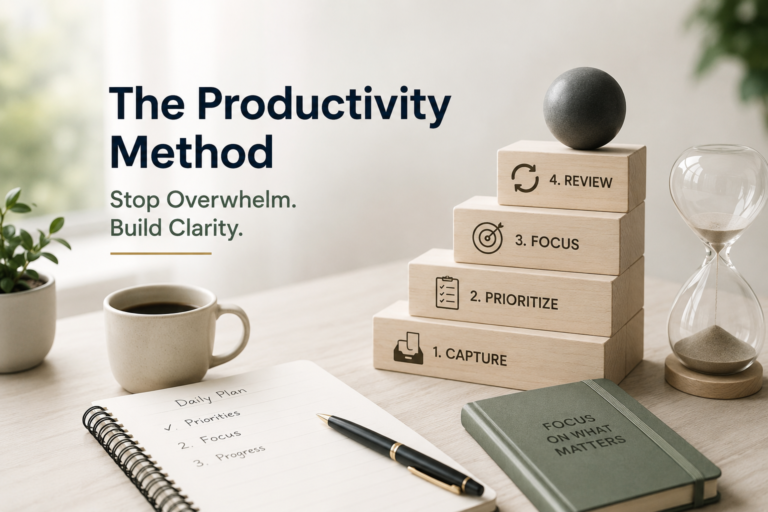
Instead of one giant to-do list, split your week into three layers.
Plan Start each week by looking at the whole picture: what’s due, what’s coming, and what actually needs your attention this week versus next month. A Month at a Glance and Weekly Lesson Plan page does this far better than a phone calendar, because you can see everything at once instead of scrolling.
Track Use a Grade Tracker and Assignment Tracker so you always know where you stand before a problem becomes a crisis. Pair it with a Habit Tracker for the small daily actions reading, reviewing notes, sleep that quietly determine whether next month feels manageable or overwhelming.
Recover This is the layer most students skip entirely. Build in a Digital Detox Tracker, a Mood Tracker, and a weekly Mental Reset page. Ten minutes of intentional reflection prevents the kind of burnout that costs you an entire week later.
Focus Tools That Actually Reduce Overwhelm
Two techniques consistently help students avoid burning out during heavy workloads:
- The Pomodoro Technique working in focused 25-minute blocks with short breaks — keeps study sessions sustainable instead of turning into all-day marathons that leave you drained.
- Brain Dumps writing every open task out of your head and onto paper free up mental space that would otherwise be spent trying to “remember everything,” which is one of the biggest hidden drivers of student stress.
Both are simple. Neither requires an app subscription or a complicated system. What they require is a planner built with the actual pages to support them.
Putting the System Into One Place
This is exactly why a dedicated academic system beats a generic notebook or a scattered mix of apps. The Student Success Planner was built around this Plan, Track, Recover framework 66 printable pages covering grade and GPA tracking, weekly and monthly planning, habit and mood tracking, Pomodoro and Deep Work pages, and monthly budget tools, all in one calm, undated system you can start using today, whether you’re in high school, college, or grad school.
You don’t need more motivation to stop burning out. You need a structure that carries you on the weeks motivation doesn’t show up — which, if you’re a student, is most weeks.
Key Takeaways
- Student burnout is a systems problem, not a discipline problem.
- Planning should track habits and energy, not just tasks.
- Build recovery into your week on purpose don’t wait until you’re exhausted.
- Techniques like Pomodoro and Brain Dumps reduce overwhelm without adding more work.
- A single, structured planner removes the mental load of juggling apps and notebooks.
If you’re ready to build a system that supports your whole academic life not just your to-do list explore the Student Success Planner and start your semester with structure instead of stress.